
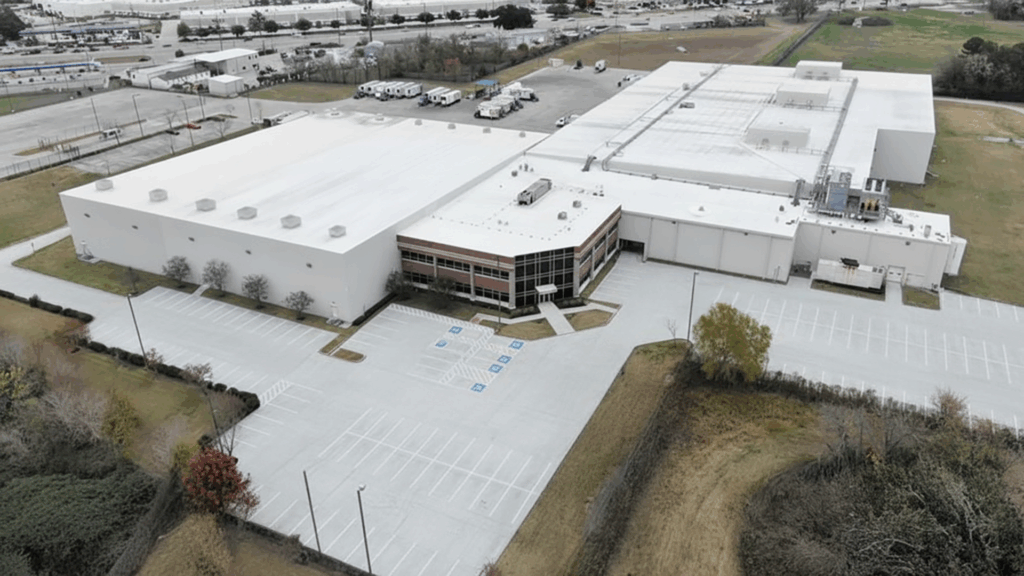
 For developers, investors, and owner-users, one of the first questions in any industrial project is simple: what does it actually cost to build a warehouse in Houston? The answer depends on more than square footage. Warehouse construction costs in Houston are shaped by land conditions, drainage requirements, clear height, office buildout, truck circulation, dock equipment, and how closely the facility is aligned with modern logistics needs.
Houston remains one of the strongest industrial markets in the country because it combines population growth, major freight corridors, and direct access to the Port of Houston. That demand creates opportunity, but it also means construction decisions have to be disciplined. A low initial price is not always the lowest lifetime cost. The right warehouse budget balances construction efficiency, operational performance, and long-term durability.
Typical Warehouse Construction Cost Range in Houston
In many Houston projects, standard warehouse construction falls in a broad range of roughly $80 to $200+ per square foot. Simpler shell buildings tend to land on the lower side, while facilities with more office finish, specialized loading configurations, heavy paving, or expanded site work trend higher.
- Basic warehouse shells: generally the most cost-efficient option
- Mid-range distribution buildings: more dock equipment, larger truck courts, and improved office areas
- Higher-spec industrial facilities: added power, specialized slabs, expanded employee areas, or operational upgrades
The goal is not to chase the cheapest number. It is to understand what level of facility your operation actually needs and build a budget around that requirement.
What Drives Warehouse Construction Costs in Houston?
1. Site Conditions and Drainage
Houston site work can change a budget quickly. Soil conditions, grading requirements, stormwater management, detention, and drainage design all affect early construction costs. A site that looks attractive on paper can become expensive once civil requirements are fully understood.
2. Building Size and Clear Height
Bigger buildings can benefit from economies of scale, but building height matters. Modern industrial users often want more vertical storage capacity, and higher clear heights affect structure, wall systems, fire protection, and overall coordination.
3. Dock Doors, Ramps, and Truck Courts
A warehouse built for active shipping and receiving costs more than a simple storage building. Dock packages, trailer storage, paving, maneuvering room, and circulation planning all add cost, but they also directly impact operational efficiency.
4. Office Buildout and Employee Areas
Even in industrial buildings, office components can materially influence the budget. Break rooms, conference spaces, training areas, finished restrooms, and customer-facing elements cost more per square foot than open warehouse space.
5. Electrical, Fire Protection, and Utility Capacity
Power needs, lighting, ESFR fire protection, security infrastructure, and utility upgrades can all move a project into a different cost tier. The more specialized the operation, the more important early coordination becomes.
Why Houston Budgets Require a Local Perspective
Houston is not a generic industrial market. Location within the metro matters. A project tied to port traffic, a Beltway 8 corridor site, or a major east-west distribution route may justify a more advanced building because speed and access create value. In contrast, a warehouse focused on lower-volume storage may not need premium features. Construction budgeting works best when the building program reflects how the facility will actually operate in Houston’s logistics environment.
Where Budget Problems Usually Start
Warehouse budgets often go off track when scope is defined too loosely. Common issues include underestimating paving, oversimplifying truck flow, delaying utility research, or assuming a site is straightforward before civil analysis is complete. Another common mistake is copying a square-foot estimate from a different building type and applying it to a Houston warehouse without adjusting for site and operations.
- Underestimating detention and drainage requirements
- Ignoring trailer parking and circulation needs
- Assuming all warehouse slabs are equivalent
- Adding office buildout late in design
- Waiting too long to confirm utility capacity
How to Control Costs Without Cutting Performance
The most effective cost control strategy is clarity. Start with the actual business case for the building. Define what the warehouse must do, how many dock positions are needed, what traffic volumes the site must handle, and whether the operation is primarily storage, distribution, or a hybrid model. Once the facility purpose is clear, design decisions become easier and unnecessary scope is easier to avoid.
Design-build collaboration can also help reduce waste. Early coordination between owner, design team, and contractor allows major cost drivers to be evaluated before they become expensive changes. That includes structural systems, site layout, finish levels, and utility planning.
Planning for Long-Term Value
In Houston, a warehouse that works well operationally is often worth more than one that simply hit a lower initial construction number. Clear site access, practical truck flow, durable paving, efficient loading areas, and a layout that supports growth all contribute to long-term value. Construction cost should be evaluated in context: not just what it takes to build, but what it takes for the facility to perform.
How Owners Should Build a Houston Warehouse Budget
A strong warehouse budget is built from the site outward. Start by validating land conditions, civil scope, and access needs before assuming the building shell will define the project cost. Once those factors are understood, owners can compare shell options, clear heights, dock packages, and office finish with much more confidence. This is also the stage where life-cycle thinking becomes valuable. It may make sense to invest more in pavement durability, dock efficiency, or layout quality if those features reduce operational drag over the life of the building.
Budgeting should also include contingency thinking that reflects what is actually uncertain. In Houston, that may include drainage complexity, utility coordination, or late adjustments to exterior operations. A smart cost plan does not simply hold a generic contingency number. It identifies which parts of the job carry the highest uncertainty and addresses them early through better information.
Budget Planning Checklist
- Confirm the warehouse’s real operating model before pricing
- Study site access, grading, and stormwater implications early
- Separate shell cost from site cost and operating features
- Validate paving, docks, and truck court assumptions
- Review office scope and utility capacity before finalizing budget
How KCS Approaches Houston Industrial Content and Planning
Across Houston industrial projects, the same pattern appears again and again: the best results come from early clarity. That means defining the operating goal of the facility, understanding what the site can support, and making construction decisions that reinforce long-term performance instead of creating avoidable tradeoffs. Whether the project involves warehousing, logistics, manufacturing, renovation, or site development, the strongest outcomes tend to come from teams that connect planning, budget, schedule, and operations from the beginning.
That is also why owners evaluating industrial construction topics should be cautious about one-size-fits-all advice. Houston projects are influenced by corridor access, drainage, utility coordination, freight conditions, and the actual day-to-day use of the facility. A practical construction partner helps connect those local realities to building decisions so the finished project works in operation, not just in concept.
For owners, that kind of alignment creates better decisions, fewer surprises during construction, and a finished facility that supports business goals with less day-to-day friction after turnover.
FAQs About Warehouse Construction Cost in Houston
How much does it cost to build a warehouse in Houston?
Many warehouse projects in Houston fall between about $80 and $200+ per square foot, depending on site work, building specs, dock packages, office finish, and utility needs.
What usually increases warehouse construction cost the most?
Common budget drivers include site development, drainage, truck courts, dock equipment, building height, office finish, and utility upgrades.
Is warehouse cost in Houston mostly about the building shell?
No. The shell matters, but site work, paving, detention, circulation, and operational features often have a major effect on total project cost.
Can warehouse costs be reduced without lowering quality?
Yes. A well-defined building program, early coordination, and smarter site and layout decisions can improve cost efficiency without sacrificing performance.
A warehouse project in Houston succeeds when cost planning and operations planning happen together. KCS Construction helps owners evaluate scope, identify cost drivers early, and build facilities that make sense for both the budget and the business.